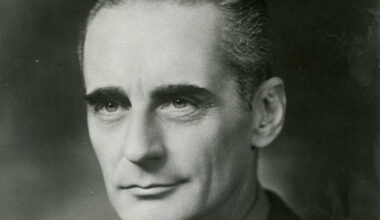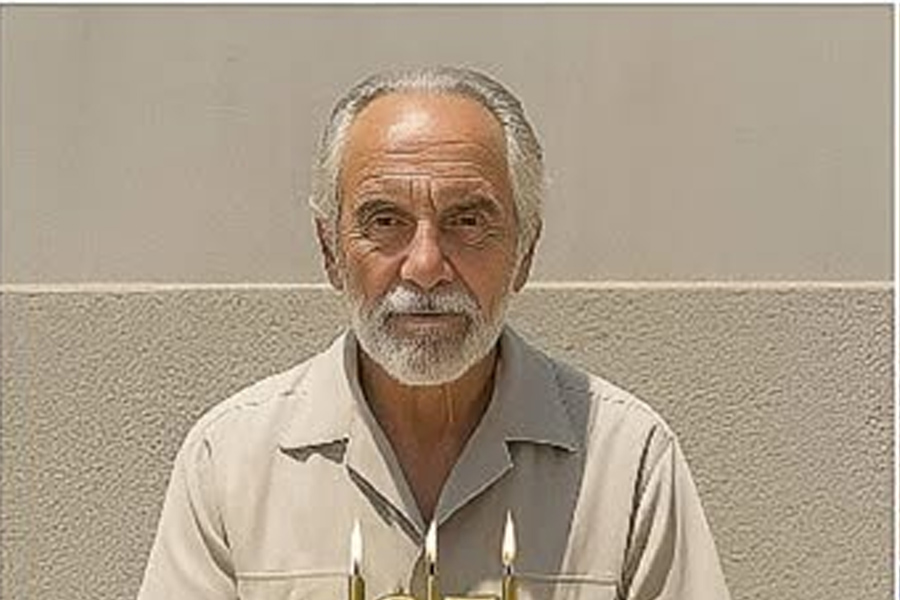
Basic Information
| Attribute | Details |
|---|---|
| Full Name | George William Johnston Jr. |
| Date of Birth | May 18, 1926 |
| Place of Birth | Everett, Massachusetts |
| Date of Death | January 18, 1995 |
| Place of Death | Beverly Hills, California |
| Occupation | Comedian, Musical Director |
| Spouse | Totie Fields (married 1950-1978) |
| Children | Jody Johnston (born 1952), Debbie Johnston (born 1955) |
| Notable Roles | Musical director for Totie Fields’ acts; TV appearances on Tattletales, Hollywood Squares |
Early Life and Roots
George William Johnston Jr. entered the world on a spring day in 1926, amid the bustling streets of Everett, Massachusetts. This working-class town, a stone’s throw from Boston, shaped his early years like a forge tempering steel, instilling resilience in a boy growing up during the Great Depression’s shadow. Little is documented about his childhood, but by the late 1940s, Johnston had carved a niche in Boston’s vibrant comedy circuit. Nightclubs pulsed with laughter, and he performed stand-up routines that blended wit with musical flair. Short bursts of humor punctuated his acts, drawing crowds eager for post-war escapism. He honed his craft in smoky venues, where timing was everything, and a well-placed punchline could light up the room like a sudden spark.
As the 1950s dawned, Johnston’s path intersected with that of Sophie Feldman, a fellow comedian who would become the whirlwind at the center of his life. Their meeting was no accident; both navigated the same entertainment undercurrents, performing in local spots where ambition met opportunity. This era marked his transition from solo performer to a supportive force, a shift that would define his legacy.
Marriage to Totie Fields
Following Johnston’s marriage to Sophie Feldman in May 1950, Feldman took on the stage name Totie Fields, which reflected her exuberant demeanor. Their combination combined professional synergy with personal dedication to create a symphony of partnership. Born on May 7, 1930, in Hartford, Connecticut, Fields gained notoriety for her self-deprecating humor, frequently making fun of her weight in a way that demoralized viewers. Johnston took on the role of her musical director, writing songs that went well with her humorous timing. Seeking more attention, they moved to Brooklyn, New York, from Boston in 1952.
Their 28-year marriage is evidence of strong relationships even in the midst of the craziness of show business. With breakthrough appearances like her March 1964 debut on The Ed Sullivan Show, Fields’ career took off in the 1960s. As she stood there, Johnston composed the music that enhanced her voice. Around 1955, they purchased a vacation house in Ogunquit, Maine, a tranquil haven where the sound of the waves murmured relief from the glare of the stage. The Admiral’s Inn became a family staple, fostering relaxed summers and deepening relationships.
In the 1970s, tragedy struck. Fields struggled with diabetes and breast cancer. In 1976, a blood clot forced her to amputate her leg, and in 1977, she had a mastectomy. In the midst of her turbulent health struggles, Johnston’s support remained constant. At 48, she died on August 2, 1978, leaving a gap that reverberated across their shared life. Johnston focused his energies on his family and introspection, never getting married again.
Family Ties and Legacy
Johnston’s family extended beyond his spouse, encompassing two daughters who carried forward threads of creativity and resilience. Jody Johnston, born in 1952, emerged as a director for the Rainbow Company in Las Vegas, a troupe dedicated to young actors, many with disabilities. Her work mirrored her parents’ performative spirit, fostering inclusion like a garden nurturing diverse blooms. Jody attended her mother’s funeral in 1978, standing alongside her father and sister in grief’s shared silence.
Debbie Johnston, arriving in 1955, maintained a more private existence, away from public scrutiny. Yet, she remained integral to the family fabric, supporting her father through loss and later years. The sisters’ births bookended the family’s early moves: Jody’s arrival prompting the Brooklyn relocation, Debbie’s coinciding with the Maine home purchase. Together, they formed a quartet with their parents, navigating fame’s periphery.
After Fields’ death, Johnston pursued a malpractice lawsuit in 1980 against her plastic surgeon, Dr. William T. Keavy, alleging contributions to her decline. This legal step underscored his protective instincts, a final act of advocacy. In 1995, following Johnston’s passing, Fields’ ashes were relocated from Las Vegas to Mount Sinai Memorial Park Cemetery in Los Angeles, resting beside him under the inscription “It Takes Two to Make One.” This gesture symbolized their inseparable duet, a quiet harmony persisting beyond life.
Career Path and Achievements
Johnston’s career development from solo comedian to vital collaborator flowed naturally with Fields’. He was her musical director in nightclubs during the 1950s and 1960s, when her wild, fat-themed shows attracted large audiences. His arrangements served as the framework, guaranteeing that every joke was delivered with musical accuracy.
Their reach was increased via television. They made appearances on programs such as Standing Room and The Mike Douglas Show in 1961. only in 1976, and often on game shows like Hollywood Squares in the late 1960s and early 1970s and Tattletales (1974 episodes). These advertisements demonstrated their dynamic as a pair, blending fun with sincere love. Although there were few single honors, Johnston’s IMDb credentials emphasize this helpful contribution. Fields went from being a local performer to becoming a national celebrity thanks to his unseen contributions.
Because to Fields’ income, the family was able to live a pleasant, middle-class lifestyle. Although there are no precise net worth statistics available, stability was implied by property ownership in New York, Maine, and later Las Vegas. Before withdrawing into solitude after 1978, Johnston’s career reached its zenith in the 1970s.
Extended Timeline of Key Events
To capture the rhythm of Johnston’s life, consider this detailed chronology:
| Year | Event Description |
|---|---|
| 1926 | Born on May 18 in Everett, Massachusetts. |
| Late 1940s | Begins comedy career in Boston nightclubs. |
| 1950 | Marries Totie Fields in May; shifts to supporting her act as musical director. |
| 1952 | Daughter Jody born; family moves to Brooklyn, New York. |
| 1955 | Daughter Debbie born; acquires summer home in Ogunquit, Maine. |
| 1961 | Appears on The Mike Douglas Show with Fields. |
| 1964 | Fields debuts on The Ed Sullivan Show; Johnston provides musical support. |
| Late 1960s | Frequent appearances on Hollywood Squares as a couple. |
| 1974 | Features on Tattletales game show episodes. |
| 1976 | Fields undergoes leg amputation; Johnston aids her recovery amid heart attacks. |
| 1977 | Fields has mastectomy; family faces ongoing health challenges. |
| 1978 | Fields dies on August 2 at age 48 from cancer and diabetes complications. |
| 1980 | Files malpractice lawsuit against Fields’ surgeon. |
| 1995 | Dies on January 18 in Beverly Hills; Fields’ remains relocated to join him. |
This timeline reveals a life marked by milestones, each note building a melody of dedication.
FAQ
Who was George William Johnston’s spouse?
Totie Fields, born Sophie Feldman in 1930, was a renowned comedian known for her self-deprecating humor about her appearance. She married Johnston in 1950, and their partnership lasted until her death in 1978.
What were Johnston’s main career roles?
He started as a comedian in Boston but became Totie Fields’ musical director, arranging performances for nightclubs and TV. He co-appeared with her on shows like Tattletales and Hollywood Squares.
How many children did Johnston have?
He had two daughters: Jody, born in 1952, who directed a Las Vegas theater troupe for young actors; and Debbie, born in 1955, who led a private life.
When did Johnston pass away?
He died on January 18, 1995, at age 68 in Beverly Hills, California. His wife’s remains were later moved to rest beside him in Los Angeles.
What health issues affected his family?
Totie Fields suffered from diabetes, leading to a 1976 leg amputation and a 1977 mastectomy for breast cancer. These battles culminated in her death in 1978, deeply impacting the family.
Did Johnston have any notable legal actions?
In 1980, he sued Fields’ plastic surgeon for malpractice, claiming it contributed to her health decline. This reflected his commitment to seeking justice for his late wife.